

 See My Latest Article on HelloNation
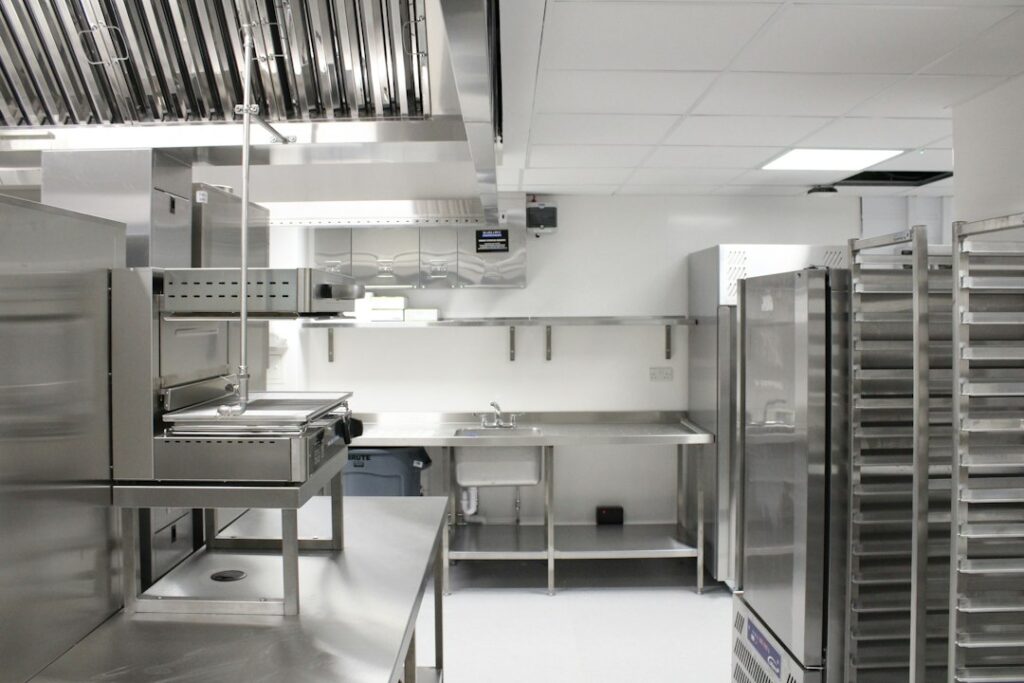
Commercial refrigerators rarely fail without warning. Changes in temperature, unusual sounds, excess moisture, frost buildup, or rising energy use often indicate that a component is wearing out or that airflow has been restricted.
For restaurants, markets, cafés, schools, healthcare facilities, and other food-service operations, recognizing these signs early can help protect food quality and reduce the risk of a complete shutdown.
What temperature changes suggest a refrigeration problem?
A refrigerator that cannot consistently hold its safe operating temperature may have a mechanical, electrical, airflow, or maintenance problem. The temperature display may look normal at one moment while the actual product temperature is higher than expected.
Warning signs include:
- Food feels warmer than usual.
- The unit takes much longer to recover after the door is opened.
- The temperature fluctuates widely during the day.
- A digital display shows repeated alarms or error codes.
- Products near the door are noticeably warmer than items toward the back.
- The compressor runs almost continuously without reaching the set point.
A refrigerator should be checked with an independent appliance thermometer rather than relying only on the built-in display. Sensors can become inaccurate, and a display may show the air temperature near the sensor rather than the temperature of stored food.
Temperature changes may result from a dirty condenser, blocked air vents, a failing fan, a worn door gasket, low refrigerant caused by a leak, or a control issue. The cause cannot be identified reliably from the temperature reading alone.
Why is the refrigerator running constantly?
Continuous operation is one of the clearest signs that a commercial refrigerator is struggling to remove heat. A short run cycle after loading warm products or opening the door frequently is normal. A unit that runs nearly nonstop under ordinary conditions deserves attention.
Common reasons include:
- Dust and grease covering the condenser coil.
- Poor clearance around the refrigerator.
- A door that does not close completely.
- A damaged magnetic gasket allowing warm air to enter.
- Excessive frost restricting the evaporator.
- A weak compressor or condenser fan.
- Refrigerant loss from a leak.
A warm, humid environment can make the problem worse. During humid summers, frequent door openings introduce moisture that may freeze on cold surfaces or increase the workload on the system. In winter, a cold delivery area or loading zone can create different control problems, especially if the refrigerator is located near an exterior entrance.
Running constantly also increases electrical use. More significantly, it may indicate that the unit is operating without enough cooling capacity to protect its contents.
What noises are not normal?
Commercial refrigeration equipment produces some sound during normal operation, including compressor hum, fan noise, and occasional clicking as controls cycle. A new or rapidly worsening sound should not be dismissed.
Pay attention to:
- Grinding, scraping, or squealing from a fan.
- Loud rattling from loose panels or components.
- Repeated clicking without the compressor starting.
- Hissing that continues near refrigeration lines.
- Popping or cracking sounds accompanied by heavy frost.
- Vibrations that cause the cabinet or nearby shelving to shake.
A fan blade can strike ice or a loose guard. A motor bearing may be wearing out. Repeated clicking may point to a start component or electrical control issue. Hissing can sometimes be associated with refrigerant movement, although not every hissing sound confirms a leak.
If a burning smell, smoke, melted wiring, or electrical arcing is present, disconnecting the equipment from power may be necessary if it can be done safely. Electrical repairs should not be attempted without appropriate training.
Does frost or ice buildup mean the refrigerator is failing?
Heavy frost is not normal for most commercial refrigerators. A thin layer may appear briefly in certain conditions, but thick ice on the evaporator, walls, shelves, or door frame usually indicates a defrost, airflow, sealing, or moisture problem.
Possible causes include:
- A door gasket that is torn, hardened, or compressed.
- Doors being left open during frequent stocking.
- A failed defrost heater, timer, sensor, or control.
- Blocked evaporator airflow.
- Products placed too close to the interior air outlets.
- Warm, moist air entering through gaps around the door.
Ice buildup reduces usable storage space and acts as insulation, making it harder for the system to transfer heat. Removing visible ice may provide temporary relief, but the underlying cause can return quickly. Chipping ice with a sharp object can damage evaporator tubing and create a more serious refrigeration failure.
What does water inside or around the unit indicate?
Water on the floor, inside the cabinet, or beneath the refrigerator should be investigated. Some condensate is normal, but standing water is not.
Water may come from:
- A clogged or frozen drain.
- A cracked drain pan.
- A blocked condensate line.
- Excessive frost melting during a defrost cycle.
- A door seal allowing humid air to enter.
- A refrigerator that is not level.

A clogged drain can cause water to freeze inside the cabinet or leak onto the floor. In a busy commercial kitchen, even a small amount of water creates a slip hazard. Water near electrical connections increases the risk of equipment damage and should be treated cautiously.
How can a damaged door gasket affect cooling?
A door gasket that no longer seals tightly can create symptoms that resemble a major refrigeration failure. Warm air enters continuously, forcing the compressor to run longer and increasing frost formation.
Check for:
- Cracks, tears, or flattened sections.
- Gaps at the corners.
- A door that must be pushed shut.
- Condensation around the door frame.
- Paper that pulls out easily when placed between the gasket and cabinet.
Cleaning the gasket and the contact surface may restore a proper seal if dirt is the only issue. If the material is torn, brittle, or permanently deformed, it may need replacement. Door hinges, latches, and cabinet alignment can also prevent a gasket from sealing correctly.
Can food spoil even if the refrigerator still feels cold?
Yes. A cabinet can feel cold while food temperatures remain unsafe. Warm spots may develop because of blocked airflow, overcrowding, a failing evaporator fan, or uneven cooling.
Perishable products should be checked with a calibrated thermometer, especially after:
- A power interruption.
- A temperature alarm.
- Extended door opening.
- A suspected overnight failure.
- A visible frost or water problem.
- A refrigerator that has been running continuously.
Food safety decisions should be based on measured time and temperature, not smell or appearance. Food that has been held at unsafe temperatures may not show obvious signs of spoilage.
Which problems require prompt attention?
Some signs should be treated as urgent because they can lead to food loss, safety hazards, or equipment damage:
- The refrigerator cannot maintain its required temperature.
- A high-temperature alarm continues after the door is closed.
- The compressor will not start.
- Smoke, burning odor, or exposed wiring is present.
- Refrigerant oil or an unusual oily residue appears near tubing.
- Water is pooling near electrical parts.
- The cabinet is rapidly warming while the motor runs.
- Frost has blocked most interior airflow.
Move food only if a suitable cold-storage option is available, and avoid repeatedly opening a failing unit. Keep a record of temperature readings, alarm times, unusual sounds, and recent loading conditions. That information can help identify whether the problem is intermittent or constant.
How can commercial refrigerator problems be prevented?
Routine care reduces stress on refrigeration equipment but does not eliminate the need for inspection when symptoms appear. Keep condenser areas free of dust and grease, avoid blocking interior air passages, clean door gaskets, and leave enough clearance around the cabinet for ventilation.
Staff habits also matter. Doors should not be propped open, warm products should be loaded according to the equipment’s operating limits, and shelves should not be packed so tightly that air cannot circulate.
In Madison, seasonal conditions can affect refrigeration performance. Summer humidity increases moisture entering through open doors, while winter deliveries and cold surrounding areas can affect controls and door seals. Regular temperature logging helps reveal gradual changes before they become a complete equipment failure.
Repair work involving refrigerant, sealed-system components, electrical controls, or compressor replacement requires specialized equipment and training. Those conditions also raise safety and compliance concerns, so they should be handled by a qualified refrigeration technician rather than improvised on-site.