

 See My Latest Article on HelloNation
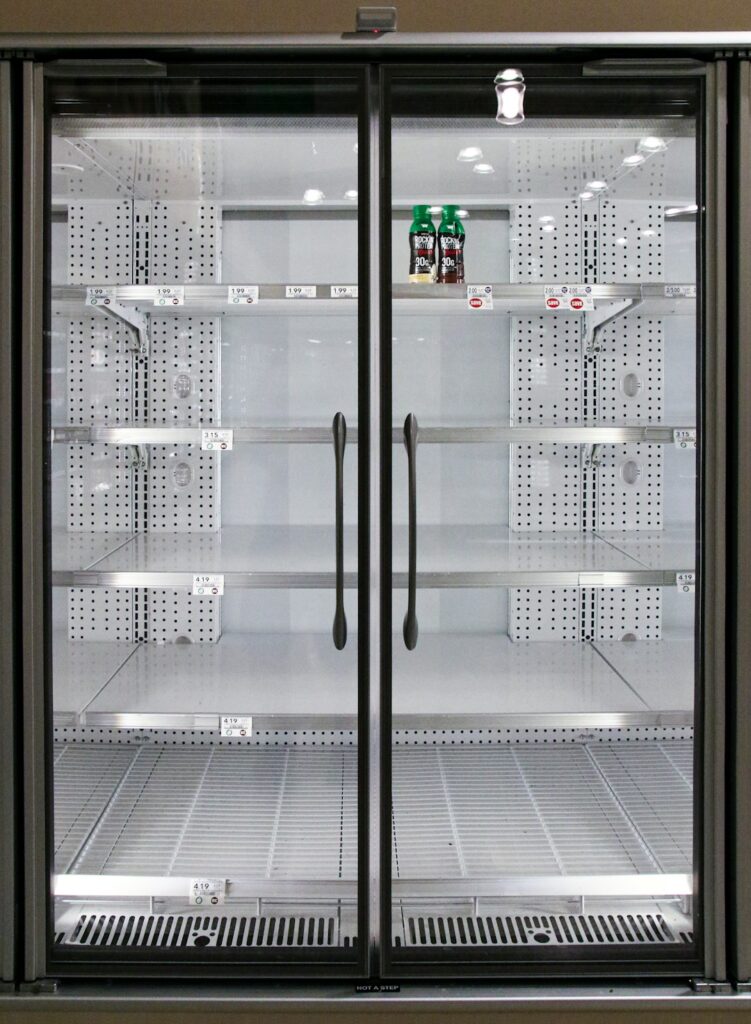
Commercial refrigeration systems protect food, medicine, beverages, and other temperature-sensitive goods. Preventative maintenance helps these systems operate more reliably, use less energy, and avoid sudden failures that can lead to spoilage or interrupted business operations.
For facilities in Madison, WI, seasonal temperature changes make routine care especially useful. Warm, humid summers can increase the workload on refrigeration equipment, while winter conditions may affect exterior components, loading areas, drains, and mechanical spaces.
What does preventative maintenance include?
Preventative maintenance is planned inspection, cleaning, testing, and adjustment performed before a refrigeration system develops a serious problem. It is different from emergency repair, which responds after equipment stops working or begins showing a major symptom.
A maintenance program may include:
- Cleaning condenser coils and checking airflow
- Inspecting evaporator coils, fans, motors, and guards
- Testing door gaskets, hinges, closers, and latches
- Checking temperature controls and sensor accuracy
- Clearing drain lines and inspecting drain pans
- Examining refrigerant lines for oil residue, damage, or vibration
- Checking electrical connections and safety controls
- Reviewing operating pressures and system performance
- Looking for unusual frost, ice, noise, vibration, or condensation
The exact tasks depend on the type of equipment. Walk-in coolers, reach-in refrigerators, display cases, ice machines, prep tables, freezers, and refrigerated warehouses each have different maintenance needs.
How does routine maintenance prevent food loss?
The most immediate benefit is early detection of problems that could cause temperatures to rise. A refrigeration system can continue running while gradually losing cooling capacity. By the time stored products appear warm, the underlying issue may already be serious.
A technician or trained maintenance worker may identify:
- A condenser coil coated with dust or grease
- A door that does not seal completely
- A fan motor operating intermittently
- A sensor reporting an inaccurate temperature
- A drain beginning to clog
- Frost building up because of an airflow or defrost problem
- A compressor running longer than expected
Finding these conditions early gives facility operators time to correct them before a full shutdown. It also supports better temperature records, which are useful when evaluating whether food or other perishable goods remained within required storage conditions.
Preventative maintenance does not guarantee that spoilage will never occur. Power failures, control-board problems, refrigerant leaks, and mechanical breakdowns can still happen. However, regular inspections reduce the number of failures that develop unnoticed.
Can preventative maintenance reduce energy use?
Yes. Refrigeration equipment often uses more electricity when airflow is restricted, doors leak, coils are dirty, or components are operating outside normal conditions.
A dirty condenser coil makes it harder for the system to release heat. The compressor may then run for longer periods, increasing energy consumption and mechanical wear. A damaged door gasket allows warm, moist air to enter the cabinet or room, forcing the system to remove additional heat and moisture.
Energy savings depend on the condition of the equipment and the quality of the maintenance work. Cleaning a lightly soiled coil may produce only a modest improvement, while correcting a major airflow restriction or persistent door leak can have a more noticeable effect.
Efficient operation also helps reduce heat released into indoor work areas. This can matter in compact facilities where refrigeration equipment operates near food preparation, storage, or customer areas.
Why is maintenance useful during seasonal changes?
Seasonal weather can change how refrigeration systems operate. During warm, humid periods, outdoor air and indoor heat loads may raise condensing temperatures. Frequent door openings can also allow more moisture into coolers and freezers, increasing frost and condensation.
Winter creates different concerns. Equipment near exterior doors may experience repeated exposure to cold air. Drain lines can be affected by low temperatures, and water may freeze in poorly protected areas. Snow, ice, or debris can also restrict airflow around outdoor components.
Before the most demanding seasons, a maintenance review can check:
- Condenser and evaporator airflow
- Door seals and automatic closers
- Defrost operation
- Drainage and drain-line protection
- Temperature control accuracy
- Equipment clearance around vents and condensers
- Exterior electrical and mechanical components
Madison’s changing weather makes it useful to think of refrigeration maintenance as a year-round responsibility rather than a task reserved for a single season.
Does preventative maintenance extend equipment life?
Regular care can extend useful service life by reducing unnecessary stress on major components. Compressors, fan motors, contactors, belts, bearings, and controls tend to experience more wear when they run continuously, cycle improperly, or operate in dirty conditions.
For example, a small airflow problem may cause a compressor to run longer. A weak door closer may allow repeated temperature swings. A failing fan bearing may create vibration that affects nearby components. Each issue may be minor at first, but continued operation can turn a relatively simple correction into a more extensive repair.
Maintenance also creates a history of equipment condition. Recorded temperatures, cleaning dates, replaced parts, and recurring symptoms can help identify patterns. If a unit repeatedly develops the same problem, the records may show that a deeper cause needs attention.
What problems are commonly overlooked?
Some refrigeration problems are easy to miss because the equipment still appears to be working. Common examples include:

Small door leaks
A gasket may look intact but fail to seal at a corner or along the hinge side. A simple visual inspection should include the full perimeter of the door.
Blocked airflow
Boxes, shelving, packaging, or stored materials can obstruct evaporator fans and air channels. Cold air must circulate freely for temperatures to remain even.
Frost that seems harmless
A thin layer of frost may seem normal in a freezer, but increasing buildup can signal poor defrost performance, air leakage, or a fan problem.
Dirty condenser areas
Dust and grease often collect where equipment is exposed to kitchen air, warehouse debris, or heavy foot traffic. Cleaning schedules should reflect the environment rather than follow a fixed assumption.
Inaccurate temperature displays
A display may show a normal reading even if the actual product temperature differs. Periodic verification with a suitable, accurate thermometer helps identify sensor or calibration problems.
How often should commercial refrigeration be maintained?
There is no single schedule for every facility. Equipment condition, operating hours, cleanliness, product load, door traffic, and surrounding temperatures all affect maintenance frequency.
Basic observations can be made daily, such as checking displayed temperatures, listening for unusual sounds, and confirming that doors close properly. Cleaning and inspection tasks may be needed weekly or monthly, while a more detailed technical review is commonly planned at regular intervals based on equipment use and manufacturer requirements.
A practical maintenance plan should specify:
- Which units are inspected
- What condition is being checked
- Who performs each task
- How findings are documented
- Which symptoms require immediate attention
- When follow-up testing is needed
Tasks involving electrical components, pressurized refrigerant, gas, or complex controls can create safety hazards and generally require appropriate training and equipment. Refrigerant handling is also regulated, so it should not be treated as a routine do-it-yourself task.
What should facility operators watch for between maintenance visits?
Daily awareness can identify developing problems early. Warning signs include:
- Longer or nearly continuous compressor run times
- Temperature readings that fluctuate more than usual
- Excessive frost or water inside the unit
- Condensation around doors or ceilings
- Unusual buzzing, clicking, scraping, or vibration
- Products freezing in a refrigerator compartment
- A burning smell or repeatedly tripped electrical protection
- Ice machines producing less ice or taking longer to cycle
A written log is useful because gradual changes are easier to recognize when temperatures, observations, and corrective actions are recorded over time. Preventative maintenance works best when routine inspection, proper cleaning, accurate records, and prompt attention to warning signs are treated as parts of the same process.