

 See My Latest Article on HelloNation
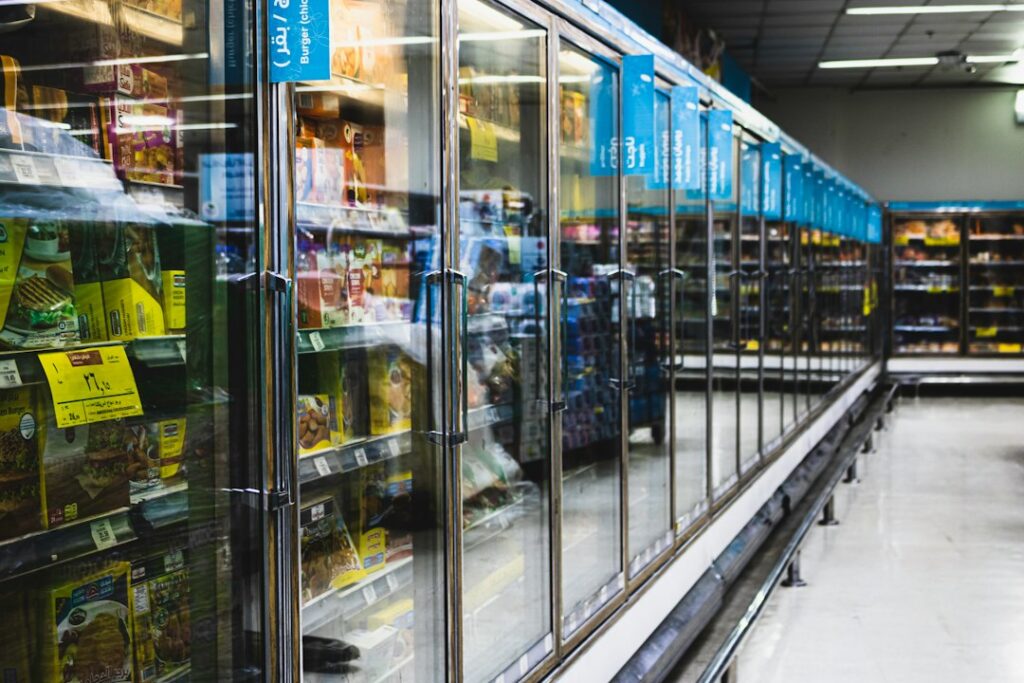
Commercial refrigeration equipment keeps food, beverages, ingredients, medicines, and other temperature-sensitive goods within a safe and usable range. The right equipment depends on what is being stored, how often items are accessed, available floor space, and whether the unit must support food preparation, retail display, or back-of-house storage.
For local businesses and institutions, Madison’s cold winters and warm, humid summers can affect refrigeration performance. Equipment located near loading areas, exterior doors, hot cooking equipment, or poorly ventilated spaces may work harder than expected, even when the unit itself is properly sized.
What are the main types of commercial refrigeration equipment?
The most common categories are reach-in refrigerators, walk-in coolers, undercounter units, prep tables, display cases, freezers, and specialized refrigeration systems. Each type serves a different purpose.
Reach-in refrigerators and freezers
Reach-in units are upright cabinets with front-opening doors. They are common in commercial kitchens, cafeterias, bakeries, healthcare facilities, and food preparation areas because staff can quickly access stored items without entering a separate room.
Typical uses include:
- Daily storage of dairy products, produce, meats, sauces, and prepared foods
- Frozen ingredients and packaged foods
- Backup storage when a larger walk-in is full
- Separate storage for raw and ready-to-eat items
These units may have one, two, or three sections. Solid doors generally provide better insulation, while glass doors make it easier to see contents. Door gaskets, hinges, shelves, and interior fans receive frequent use, so wear in these areas can affect temperature stability.
Walk-in coolers and freezers
A walk-in cooler is a refrigerated room designed for larger quantities of food or other temperature-sensitive materials. Walk-in freezers operate at lower temperatures and require specialized insulation, doors, flooring, and defrost controls.
Walk-ins are useful when a business needs organized storage for:
- Bulk deliveries
- Large containers and trays
- Produce, beverages, or packaged goods
- Inventory that must remain at a consistent temperature
- Separate refrigerated and frozen sections
A walk-in is not simply a large refrigerator. Its performance depends on the insulated panels, door seals, floor construction, evaporator, condenser, controls, lighting, and air circulation. Frequent door opening allows warm, humid air inside, which can increase frost buildup and energy use.
In a building with seasonal temperature changes, the location of the outdoor condenser and the condition of the surrounding air space can affect performance. Snow, leaves, dust, and restricted airflow should not be allowed to collect around outdoor components.
Which equipment is best for food preparation?
Prep tables, undercounter refrigerators, and chef bases are designed to keep frequently used ingredients close to the work area. They are especially helpful where speed and organization matter.
Refrigerated prep tables
A refrigerated prep table combines a cold storage compartment with a work surface and ingredient pans. Common examples include units used for sandwich, salad, pizza, or other assembly-based preparation.
The upper pans usually hold small quantities of ingredients for quick access, while the cabinet below stores additional containers. These units can improve workflow, but they require careful loading. Overfilling ingredient wells, blocking internal air vents, or placing hot food inside the cabinet can lead to uneven temperatures.
Undercounter refrigerators
Undercounter units fit beneath work surfaces and are useful where floor space is limited. They may be installed in preparation areas, service counters, bars, laboratories, or compact commercial kitchens.
Their smaller size does not eliminate ventilation requirements. A unit enclosed too tightly or positioned beside a heat-producing appliance may struggle to release heat. Clearance around the condenser and front ventilation area should remain open according to the equipment’s design.
Chef bases and refrigerated drawers
Chef bases are low-profile refrigerated units designed to support cooking equipment above them. Refrigerated drawers provide quick access without requiring staff to open a full-height door.
These units are practical for frequently used ingredients, but drawers and drawer gaskets can collect crumbs, grease, and spills. Regular cleaning helps prevent odors, blocked airflow, and premature wear.
What refrigeration equipment is used for retail display?
Display cases allow customers or staff to see chilled products while maintaining a controlled temperature. They are used for beverages, dairy items, prepared meals, desserts, meats, produce, and other perishable goods.
Common display formats include:
- Open-air cases for quick customer access
- Glass-door merchandisers for packaged beverages and food
- Deli cases for prepared foods and sliced products
- Bakery cases for chilled desserts and pastries
- Service cases where staff retrieve products from behind the counter
Open-air cases are convenient, but they generally use more energy than enclosed cases because cold air can escape into the room. They also perform poorly if nearby doors, fans, vents, or strong air currents disrupt the air curtain.
Glass doors may fog when warm, humid air enters the case or when door seals are damaged. Persistent condensation can signal a maintenance issue, excessive humidity, or a temperature difference between the case and the surrounding room.
What is the difference between a refrigerator and a freezer?

A refrigerator normally holds food above freezing, while a freezer maintains temperatures low enough to keep products frozen. The two systems use different controls, insulation levels, defrost methods, and operating ranges.
A refrigerator is generally used for fresh produce, dairy, meat, prepared food, and beverages. A freezer is used for frozen ingredients, ice cream, packaged frozen food, and long-term storage.
A common mistake is using a refrigerator as a temporary freezer or overloading a freezer with warm products. Equipment should be selected for the intended temperature range. Products also need enough space around them for cold air to circulate.
What specialized commercial refrigeration equipment is available?
Some operations need equipment designed for a specific product or task.
Blast chillers
Blast chillers rapidly reduce the temperature of cooked food. They are used to cool prepared meals more quickly and consistently than placing large hot containers directly into a standard refrigerator.
Ice machines
Ice machines produce cube, flake, or nugget-style ice for beverages, food presentation, healthcare use, and other applications. They require a clean water supply, proper drainage, and routine sanitation. Scale and mineral buildup can affect production and water quality.
Beverage coolers
Beverage coolers are designed for packaged drinks and frequent access. They may use glass doors, sliding doors, or open display designs. Door traffic and warm products can create a heavier workload than ordinary refrigerated storage.
Refrigerated transport and mobile units
Some operations use mobile refrigerated cabinets, carts, or transport containers to keep food cold during movement between storage, preparation, and service areas. These systems depend on pre-cooling, battery or electrical capacity, insulation, and limited door opening.
What should be considered before choosing equipment?
The correct unit is determined by more than interior capacity. Important factors include:
- Product type and required temperature range
- Available floor and ceiling space
- Frequency of door or drawer openings
- Expected daily loading volume
- Kitchen heat, humidity, and ventilation
- Electrical requirements
- Drainage and condensate management
- Ease of cleaning and access for maintenance
- Whether the equipment must fit through existing doors
- Noise levels in customer-facing or occupied areas
Energy use also depends on operating conditions. Keeping condenser surfaces clean, maintaining door seals, allowing proper clearance, and avoiding unnecessary door openings can help equipment operate more efficiently.
When does refrigeration equipment need immediate attention?
A unit deserves prompt attention when food temperatures rise, frost covers interior surfaces, water leaks onto floors, a compressor runs continuously, breakers trip, or unusual noises develop. Product safety takes priority over trying to extend the use of failing equipment.
Temperature readings should be taken with a reliable thermometer rather than judged by touch. If perishable food has been held above safe temperatures for an uncertain period, it may need to be discarded. Electrical faults, refrigerant leaks, exposed wiring, and equipment that is rapidly losing temperature can create safety risks and require qualified service.
For Madison facilities, seasonal conditions can add stress to systems. Heat and humidity increase the refrigeration load during summer, while cold outdoor air can affect equipment installed in unconditioned spaces during winter. Planning for these conditions helps prevent avoidable temperature problems.