

 See My Latest Article on HelloNation
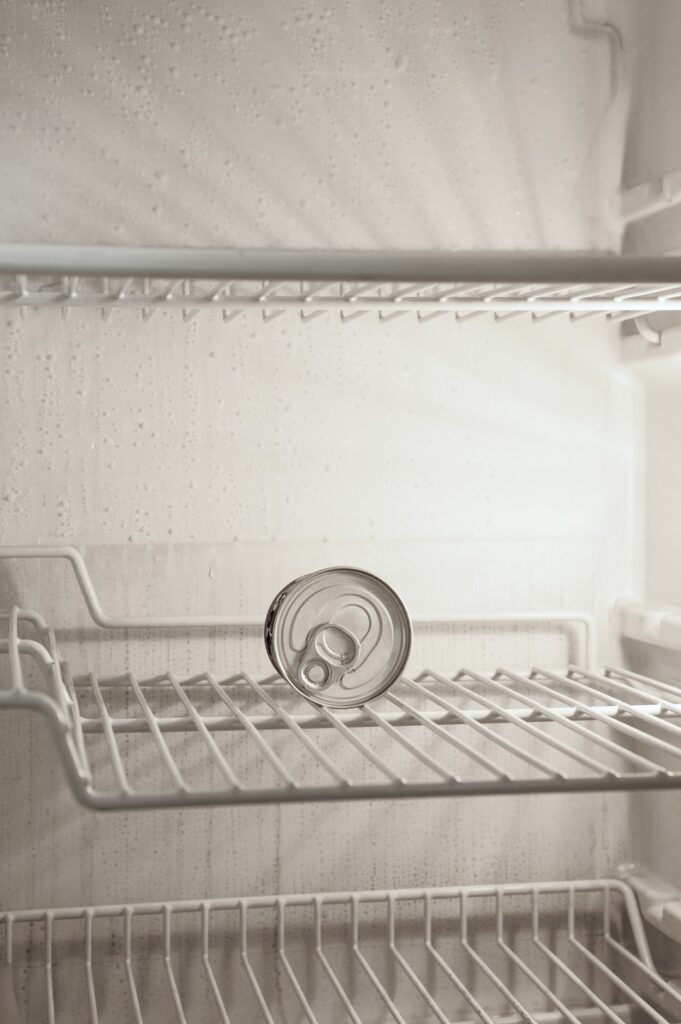
Commercial refrigeration systems keep food, beverages, ingredients, and other temperature-sensitive products within safe storage ranges. They do this by moving heat out of an insulated space rather than “creating cold.” The same basic refrigeration cycle serves many types of equipment, including reach-in coolers, walk-in rooms, prep tables, display cases, under-counter units, and freezers.
For local food businesses, understanding that cycle helps explain why equipment develops frost, runs continuously, loses efficiency, or struggles during seasonal temperature changes.
What is the basic refrigeration cycle?
A commercial refrigerator uses four primary components: the compressor, condenser, expansion device, and evaporator. Refrigerant circulates through these parts in a closed loop.
The process works like this:
1. The evaporator absorbs heat from inside the refrigerated compartment.
2. The compressor raises the refrigerant’s pressure and temperature.
3. The condenser releases that heat into the surrounding air.
4. The expansion device lowers the refrigerant’s pressure so it can absorb heat again.
Fans, thermostats, insulation, door gaskets, controls, and safety switches support this cycle. If one part is dirty, damaged, poorly adjusted, or blocked, the entire system may perform poorly.
How does a compressor help cool a refrigerator?
The compressor is often described as the system’s pump. It draws in low-pressure refrigerant vapor from the evaporator and compresses it into a high-pressure, high-temperature vapor.
This pressure change allows the refrigerant to release heat later in the cycle. The compressor does not directly cool the storage space. Instead, it keeps refrigerant moving and creates the pressure difference required for heat transfer.
Commercial compressors may operate more frequently than those in household refrigerators because business equipment is opened often, loaded with warm products, and expected to recover temperature quickly.
A compressor that runs continuously does not always mean it has failed. Heavy product loads, blocked airflow, dirty coils, damaged door seals, high room temperatures, or frequent door openings can all increase operating time. However, constant operation combined with poor cooling, unusual noise, or overheating deserves prompt attention.
What happens in the condenser?
The condenser removes heat from the refrigerant and releases it into the surrounding area. In many commercial units, a fan moves room air across condenser coils to improve heat transfer.
The heat released includes both:
- Heat collected from inside the refrigerated space
- Heat created by the compressor while it operates
This is why a refrigeration machine room or kitchen can become noticeably warm. A condenser cannot release heat effectively if its coil is covered with dust, grease, packaging material, or other debris. Restricted airflow has a similar effect.
In a busy kitchen, condenser maintenance can be especially challenging because airborne cooking grease can form a sticky coating. Madison’s warm, humid summer conditions can also make heat rejection more difficult, especially in compact kitchens or spaces with limited ventilation.
How does the evaporator create a cold storage space?
The evaporator is located inside the refrigerated compartment or behind an interior panel. After the refrigerant passes through the expansion device, its pressure drops. The refrigerant then becomes cold enough to absorb heat from the air moving across the evaporator coil.
An evaporator fan circulates air through the coil and back into the storage area. This airflow helps distribute temperature evenly, although shelves, boxes, trays, and tightly packed products can interrupt circulation.
Cold air must be able to move around stored items. Blocking supply vents or pressing products directly against an evaporator panel may create warm spots, even if the thermostat appears to show a safe temperature.
What does the expansion device do?
The expansion device controls how much refrigerant enters the evaporator. It may be a capillary tube, thermostatic expansion valve, or electronic control device, depending on the equipment design.
Before the expansion device, refrigerant is a high-pressure liquid or liquid-and-vapor mixture. The pressure drop allows it to expand and become much colder. The refrigerant can then absorb heat inside the cabinet or walk-in room.
If the device feeds too much or too little refrigerant, the evaporator may not operate correctly. Symptoms can include poor cooling, excessive frost, uneven temperatures, or a compressor that runs longer than expected.
Why are insulation and door seals so important?
The refrigeration cycle removes heat, but the cabinet’s insulation and door seals limit how much new heat enters. Insulated walls, ceilings, floors, doors, and panels slow heat movement from the surrounding room into the cold space.
A damaged door gasket can allow warm, moist air to enter continuously. That extra moisture may condense or freeze on cold surfaces, increasing frost buildup and reducing usable storage space.
Common causes of unwanted heat gain include:
- Doors left open during stocking or preparation
- Torn, hardened, or loose gaskets
- Gaps around walk-in panels or door frames
- Poorly insulated pipes, walls, or ceilings
- Hot food placed inside before adequate cooling
- Direct sunlight or nearby cooking equipment
Walk-in refrigeration deserves special attention during cold weather. Outdoor or semi-outdoor components may face freezing conditions, while heated interior spaces may still introduce moisture through frequent door openings.

How do freezers differ from refrigerators?
Freezers use the same basic refrigeration cycle but operate at lower temperatures. They require different controls, insulation, airflow patterns, defrost strategies, and sometimes different refrigerant arrangements.
A freezer must remove more heat from products before they reach a frozen storage temperature. Moisture entering the space can freeze onto the evaporator coil, gradually restricting airflow.
That is why freezers commonly use scheduled defrost cycles. During defrost, the system temporarily stops normal cooling and melts accumulated ice from the evaporator. Depending on the design, defrost may use electric heaters, warm refrigerant gas, or an off-cycle period.
A failed defrost system can produce a thick layer of ice, reduced airflow, warmer product temperatures, and longer compressor operation.
What controls the temperature?
A thermostat or electronic controller measures temperature and signals the refrigeration system to start or stop. More advanced systems may monitor evaporator temperature, discharge pressure, suction pressure, door status, defrost timing, and alarm conditions.
The displayed temperature may not represent every part of the storage space. Air temperature can change quickly when a door opens, while stored food changes temperature more slowly. For that reason, product temperature and air temperature are related but not identical.
A reliable monitoring routine may include:
- Checking cabinet or walk-in temperatures at consistent times
- Looking for warm areas near doors and heavily loaded shelves
- Confirming that alarms are understood and not ignored
- Recording unusual temperature changes
- Keeping thermometers visible and properly positioned
Temperature requirements vary by product and local food-safety rules. Businesses should follow the requirements that apply to their operation rather than relying only on a factory setting.
Why does frost or ice build up?
Frost forms when moisture enters the refrigerated area and freezes on cold surfaces. A small amount may be normal, but heavy ice usually indicates an underlying issue.
Possible causes include frequent door opening, a failed gasket, a blocked drain, poor defrost operation, high humidity, or products being stored while warm and uncovered.
Ice can act as insulation around the evaporator coil. This prevents the coil from absorbing heat efficiently and restricts air movement. Simply removing visible ice may provide temporary relief without correcting the cause.
Never chip ice from coils or panels with sharp tools. Puncturing a refrigerant line can release refrigerant and permanently damage the equipment.
What affects refrigeration performance in Madison?
Seasonal temperature swings influence both indoor and outdoor refrigeration equipment. During warm, humid weather, condensers must reject heat into a warmer environment, while moisture can increase frost and condensation problems.
During winter, very cold outdoor conditions may affect head pressure, oil movement, controls, drain lines, and equipment designed for different ambient temperatures. Walk-in doors, loading areas, and unheated spaces may also experience freezing concerns.
Inside the building, equipment placement matters year-round. Refrigerators located beside ovens, grills, dishwashing areas, direct sunlight, or poorly ventilated corners face a heavier heat load than the same equipment in a cooler, open area.
A clear understanding of the refrigeration cycle makes many problems easier to identify. The system must move heat out, release it efficiently, maintain airflow, keep warm air from leaking in, and control moisture. When those conditions are met, commercial refrigeration can maintain stable temperatures despite frequent use and changing weather.